What it is
New crypto projects want users, so they reward the people who showed up early. They look back at who used the app, and set tokens aside for each of them. The tokens wait until you come and claim them. Free doesn't mean safe, though. Fake claim pages are common, and connecting your wallet to one can empty it.
You'll also hear it called a drop or rewards. Watch for points: usually a promise of a future airdrop, not tokens yet. It's close to an allocation, your share of a token sale.
Example
Say you traded on a new exchange a few times last spring. Now it's thanking early users, and you can claim free tokens worth about $75. But nothing arrives on its own. You have to find the claim page, connect your wallet, and claim before the deadline. Miss it, and the tokens go back to the project. So get to the claim page from the project's own site, and set a reminder for the deadline.
In the apps
Claiming looks simple, but trust lives in the small numbers.
 Sablier
 shows a small claim from start to finish: you check a wallet, see it can claim 1 dollar's worth, pay a small fee, and the tokens land.
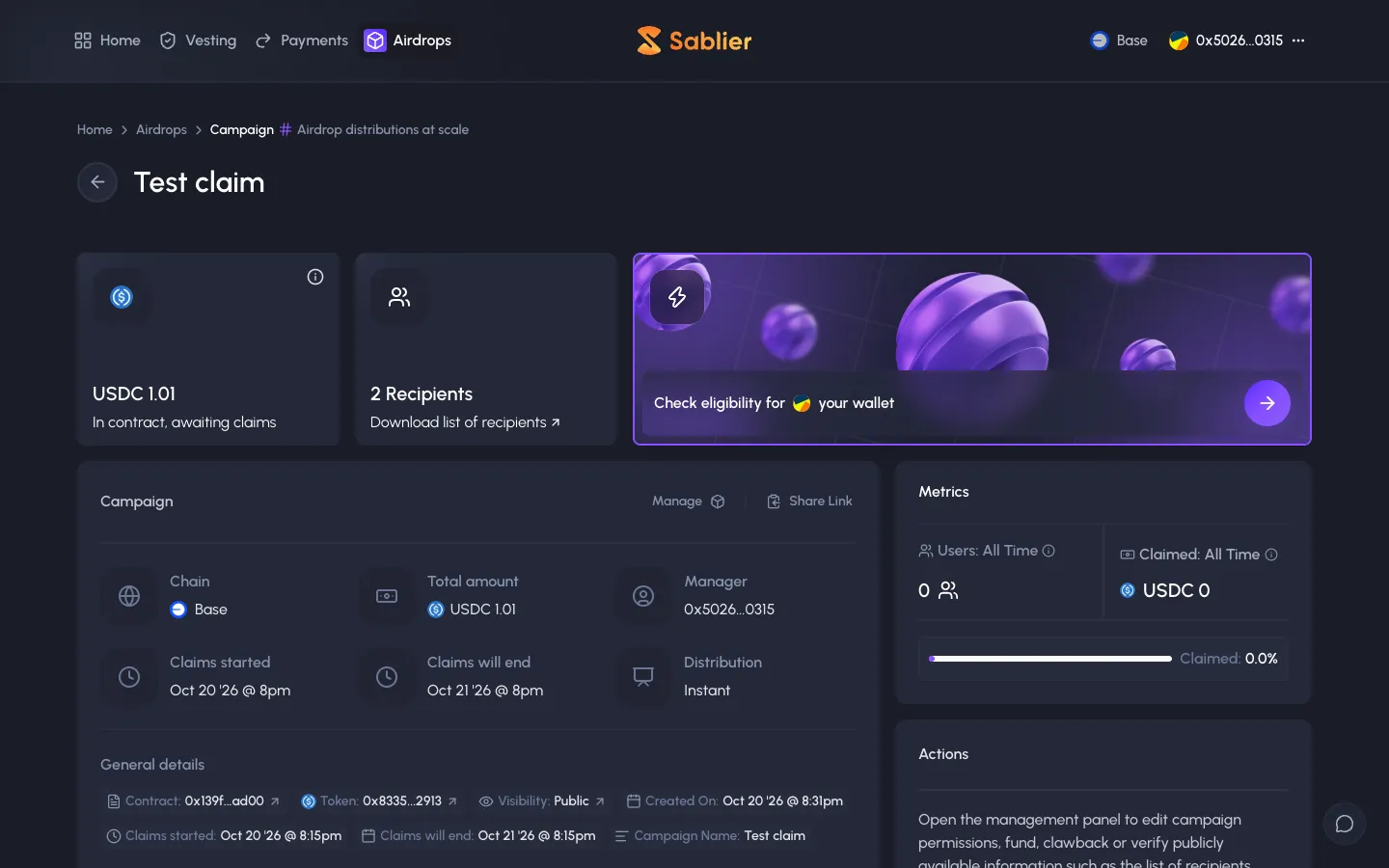
Our campaign, 1.01 in the contract, check eligibility for your wallet
1 / 4Does well: Before you claim, it explains the fee and who pays it, so the cost isn't a surprise.
Gets wrong: After claiming, the card still says nothing was claimed, so you're left wondering whether it worked.
Sablier, not eligible
When a wallet doesn't qualify, Sablier says so.
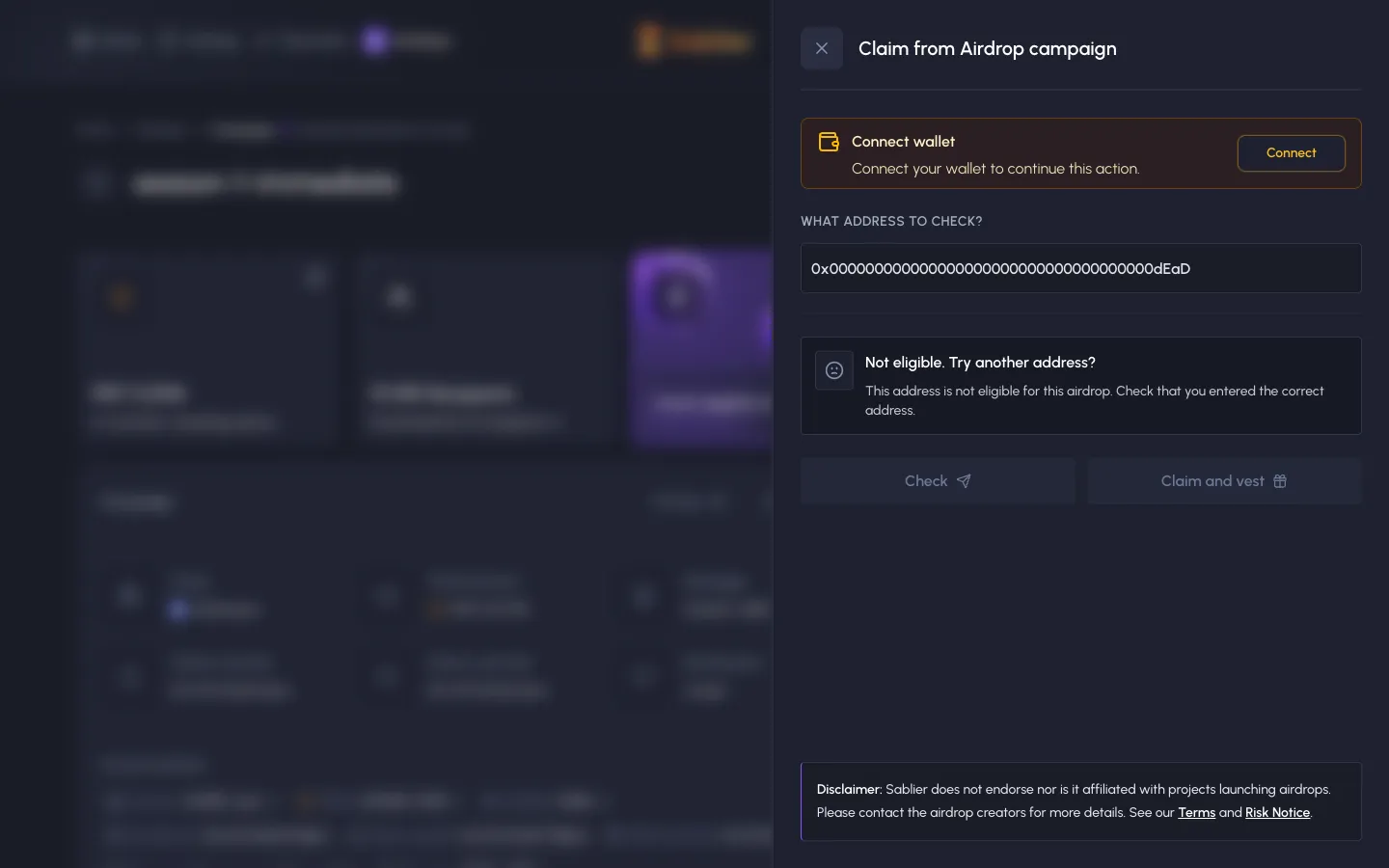
Does well: It says it plainly, and offers to try another address, so you're not left at a dead end.

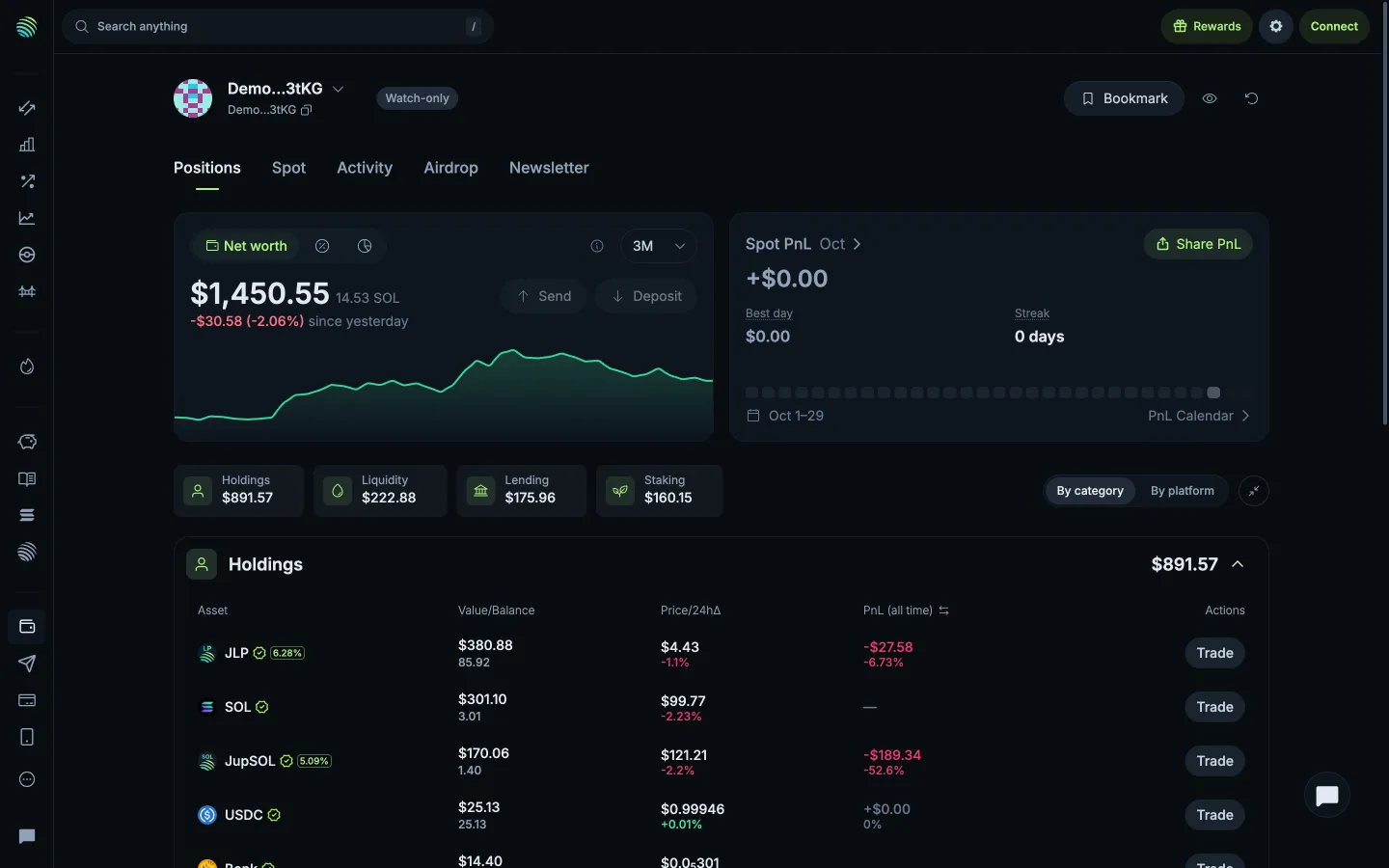
There's more where these came from: every screen in the library that says “Airdrop”.
What to design for
People arrive asking whether it's for them, and whether it's real.