What it is
When you stake tokens, they're working for a network. Unstaking tells the network you want them back. They come back after a wait, often a few days. During it they earn nothing, and you can't sell them. Pressing the button doesn't mean the money is in your wallet.
You'll also hear it called withdrawing, or unbonding. The wait is the cooldown, or unbonding period. Withdrawing usually means the last step, when the tokens land back in your wallet.
Example
Say you staked $1,000 of SOL, and over a year it grew to $1,050. You need it, so you press Unstake. The app says it will be ready in a few days. While you wait, the price of SOL drops, and you can't sell. When it finally arrives, it's worth $950. Some apps let you skip the wait if you pay a small fee. Paying it would have let you sell before the drop.
In the apps
Jupiter has two kinds of staking, and each one explains the wait differently.
 Jupiter
On Jupiter's page for staking SOL, the way out is a form that says when your money comes back.
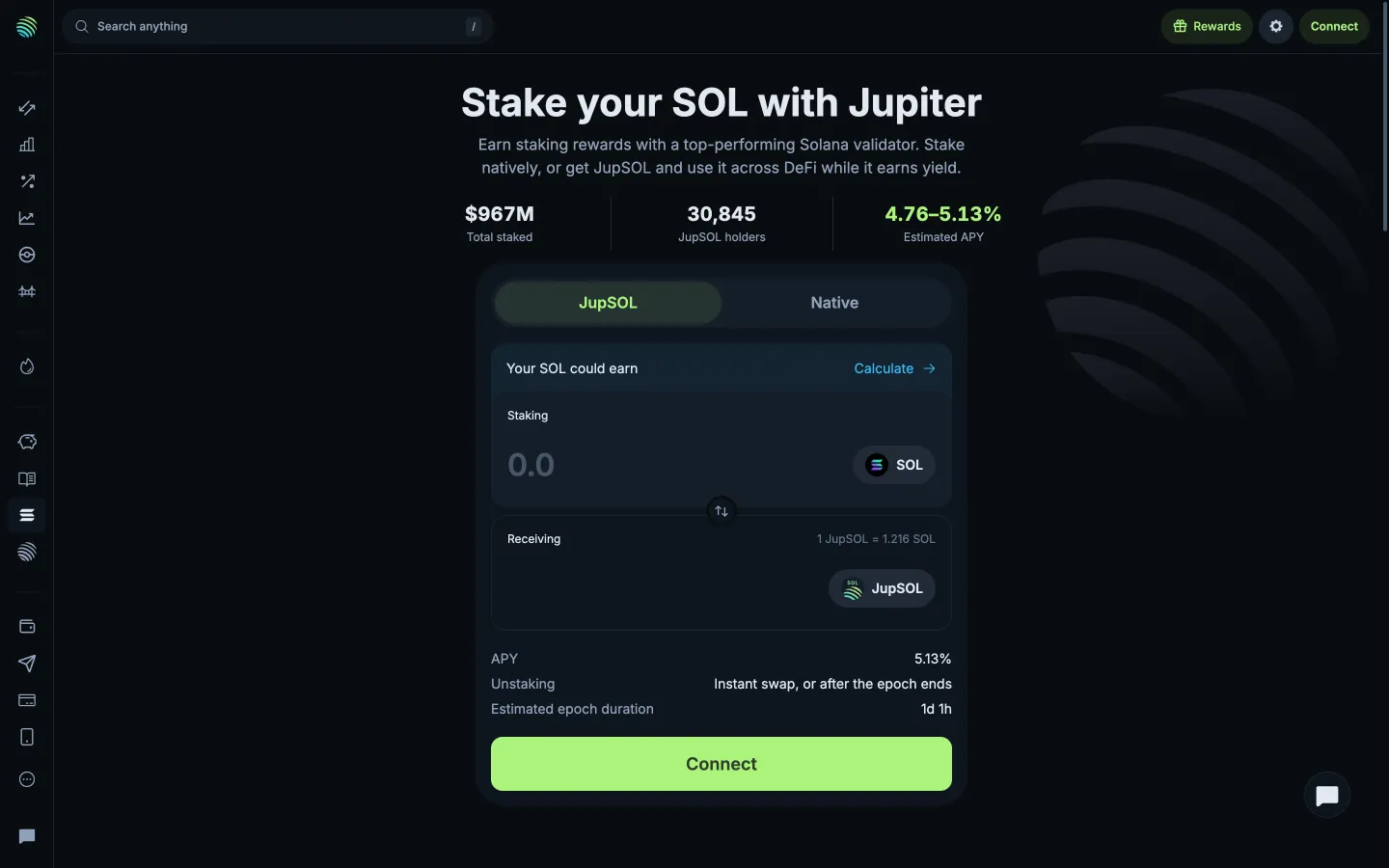
Open JupSOL exit choices
1 / 3Does well: It says the SOL must be collected from Manage once it's ready, so nobody waits for money that needs one more click.
Gets wrong: It says after the epoch ends, with the real time, about a day, in small print, so the wait sounds unknown.
Jupiter, staking JUP
Jupiter's page for staking its own token, JUP, explains the wait in its questions.
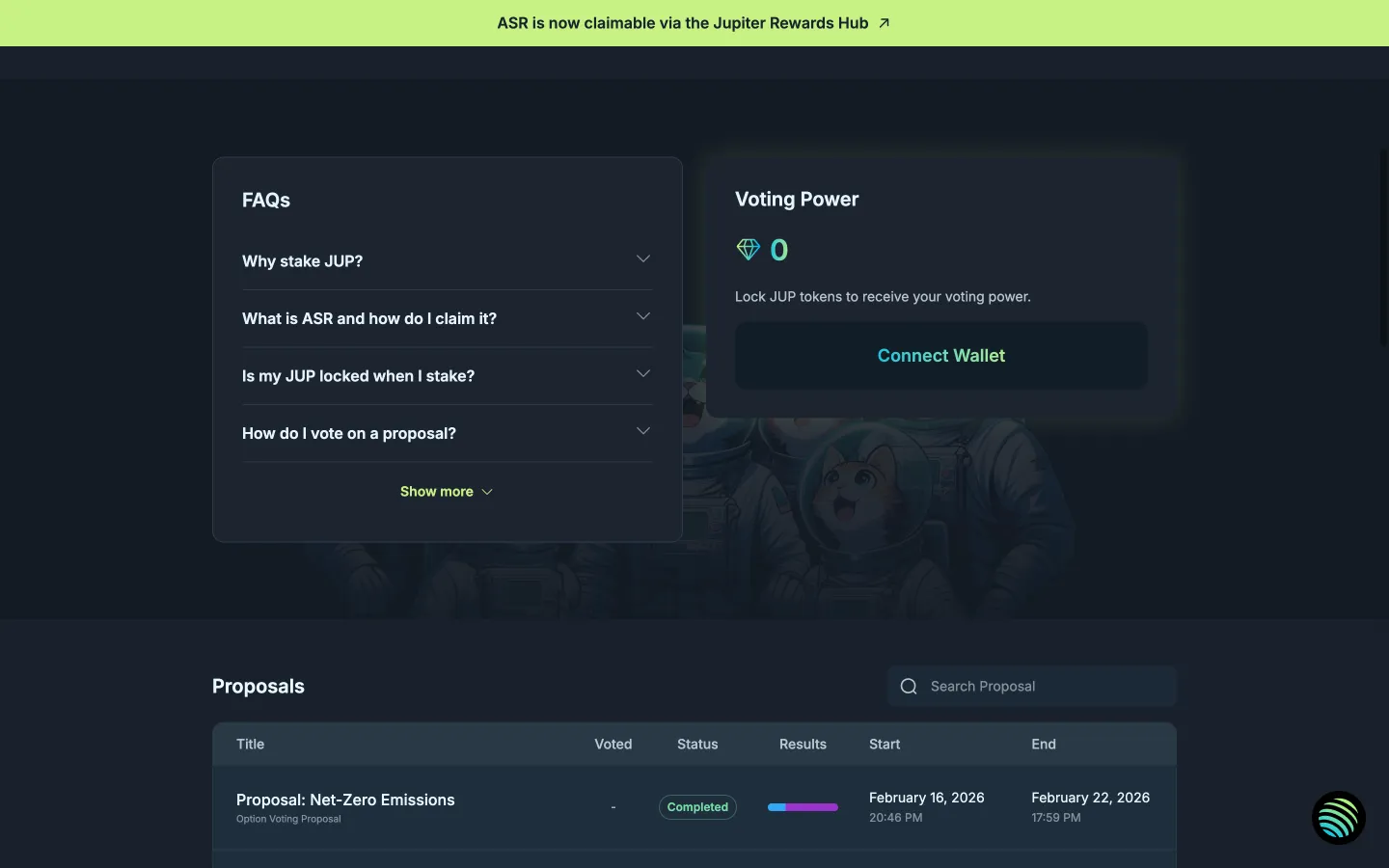
Read JUP staking questions
1 / 3Does well: It says plainly that unstaking starts a seven day wait, and that you can cancel it, so you know there's a way back.
Gets wrong: The wait sits inside a question you have to open, right after the words withdrawn anytime, so people can stake without ever seeing it.
There's more where these came from: every screen in the library that says “Unstake”.
What to design for
The person unstaking wants one answer: when can I use this money.